Practices
The Unclaimed Interval
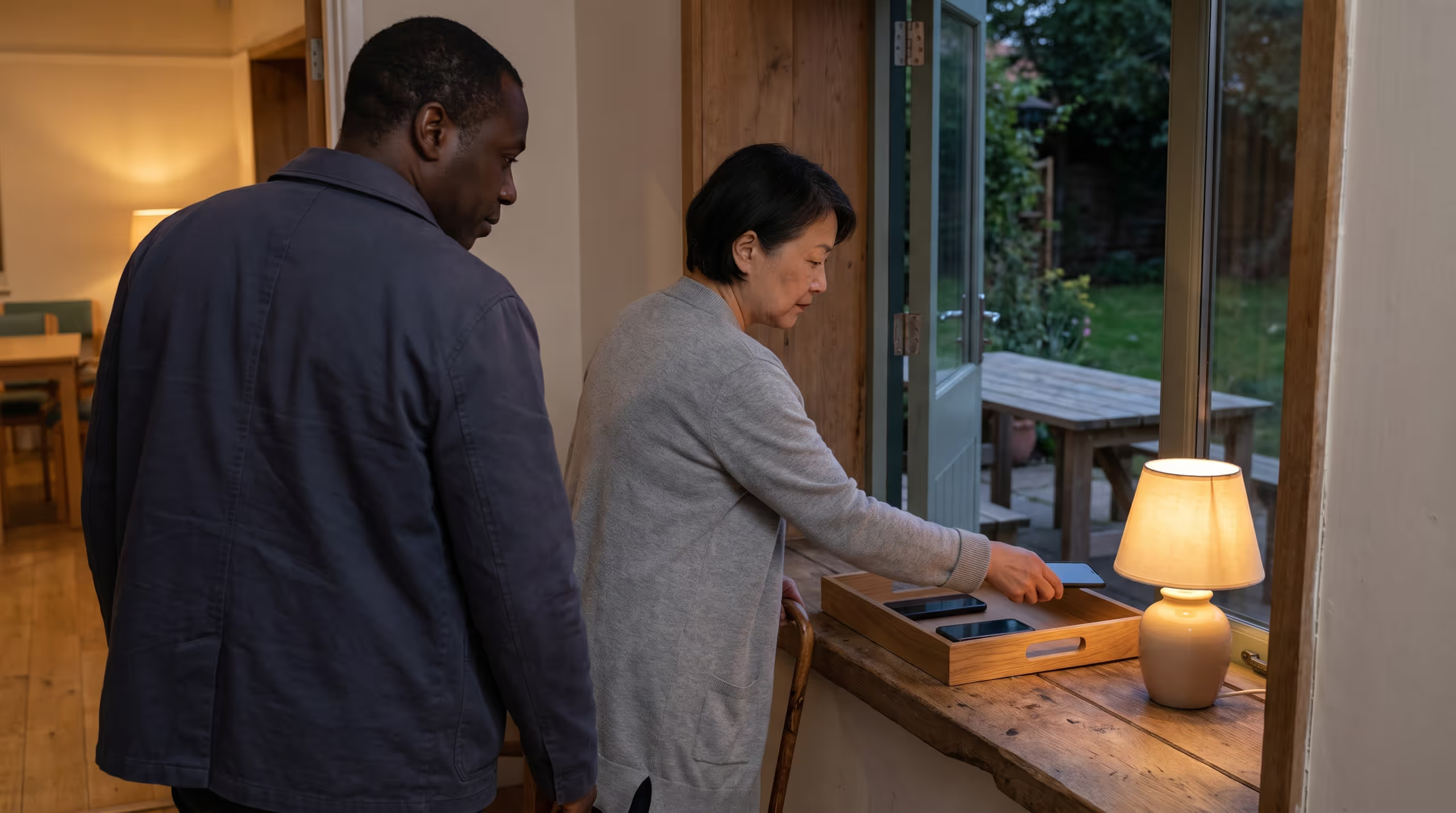
Remove what pulls. Keep what carries you.
AI-drafted Actively contested
Proposed form Not a report of established or tested use.
- Time needed A few minutes or a few hours, chosen by you
- Alone Can be practiced on your own
- Together Can be practiced with others
The sequence
-
Choose a period you actually control
Set a beginning and an end. Being unreachable must not endanger care, safety or livelihood.
-
Decide what stays
Keep communication aids, care alarms, maps, music, reading tools and chosen human contact. Nobody collects anyone else's device.
-
Remove one uninvited demand
A feed, a promotional notification, or a work alert that can safely wait. A smaller boundary is still a boundary.
-
Let the time be used or unused
Walk, rest, make something, talk, or look out. There is no record to produce and no improved version of yourself due at the end.
-
Return deliberately
End when you chose, or change the plan if necessary. Notice what you want to restore rather than accepting everything at once.
This can become a recurring rhythm. Missing it does not create arrears.
Its limit is political as well as personal: someone may lack the power to refuse a demand. A short rest cannot repair that arrangement. It may still be worth having without being advertised as resistance that solves the larger problem.
If the form adds pressure, change it or leave it. Rest is not a performance for the tradition.